


The robot should not own everything you know about the task
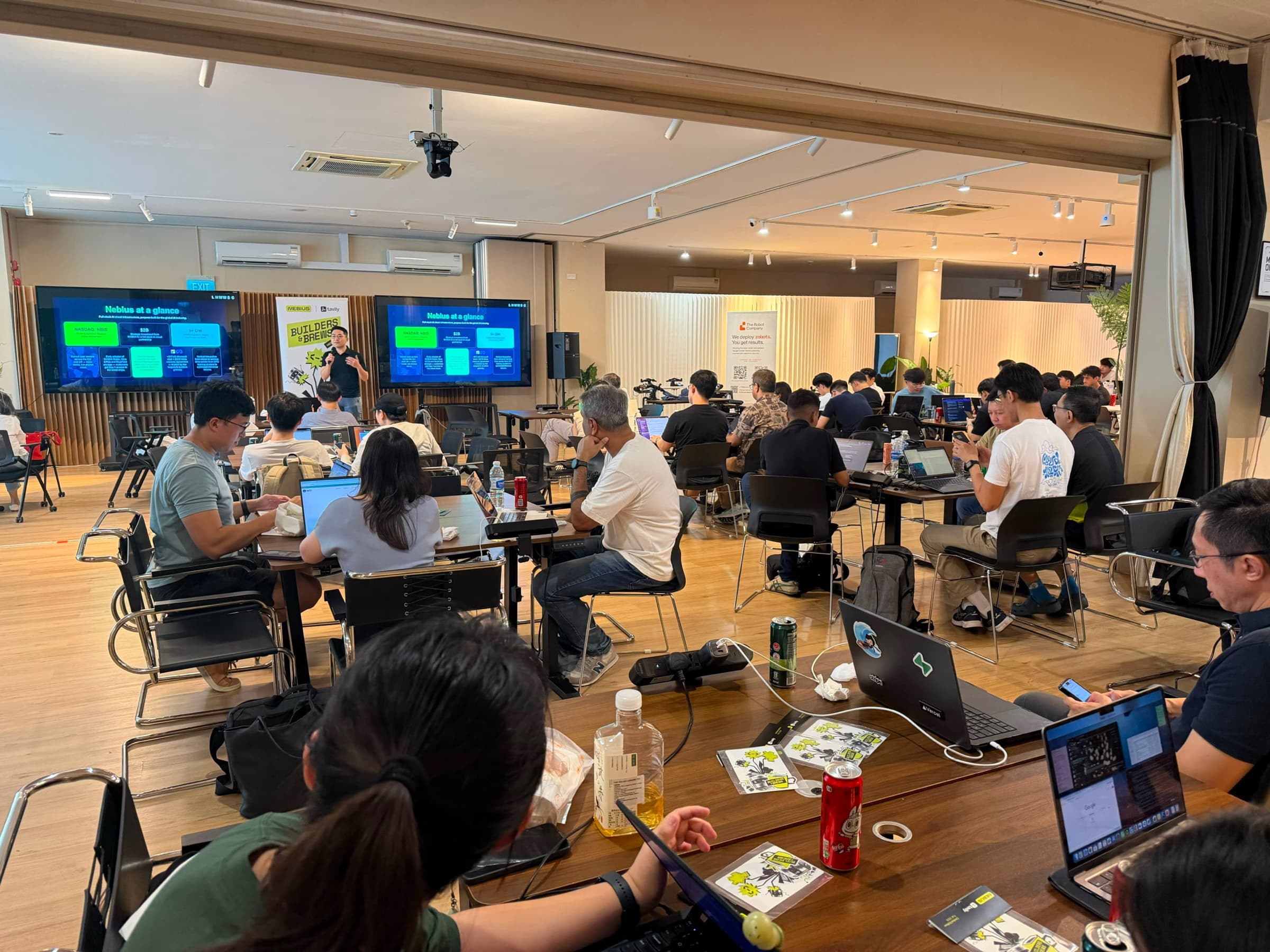
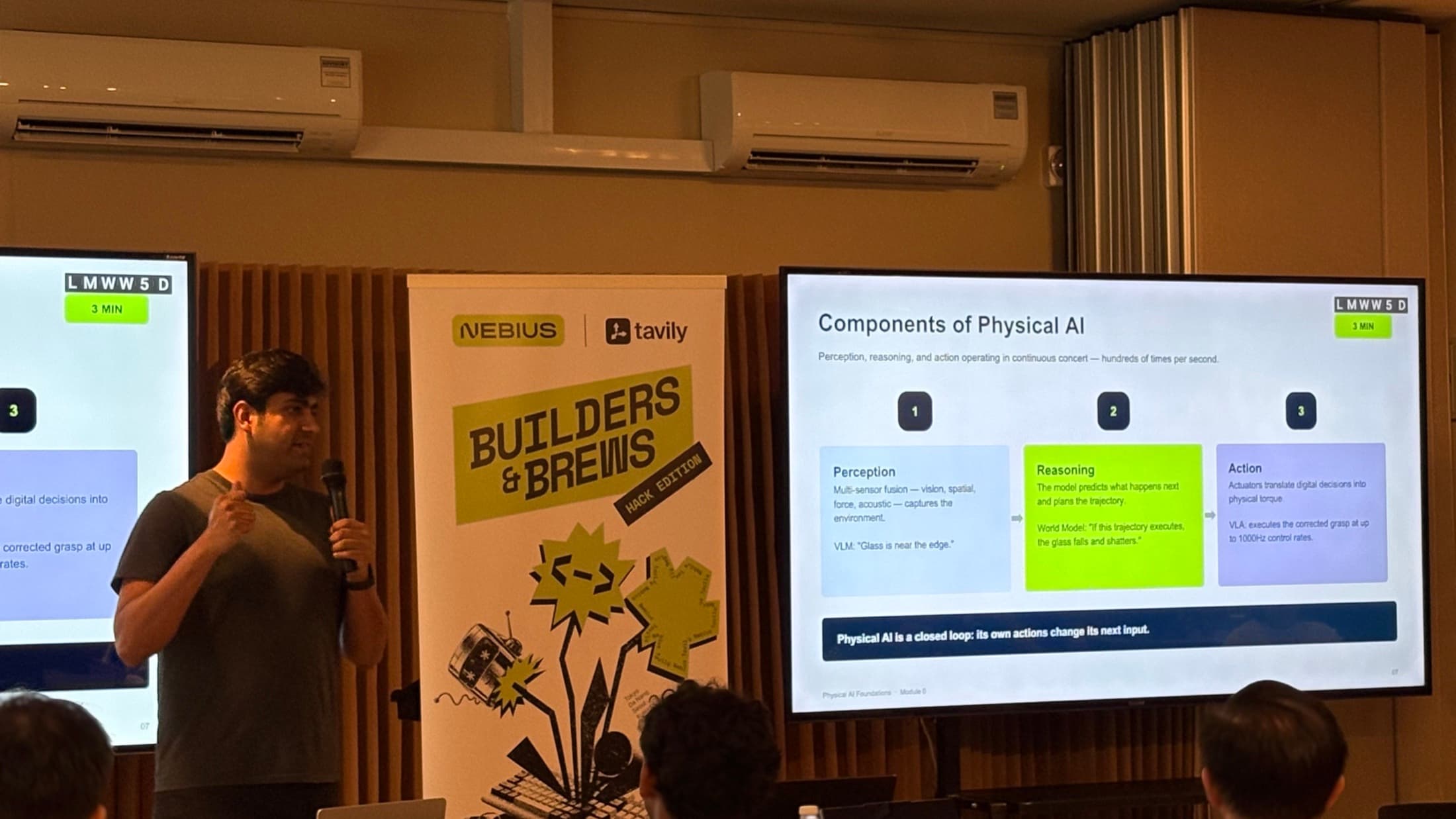
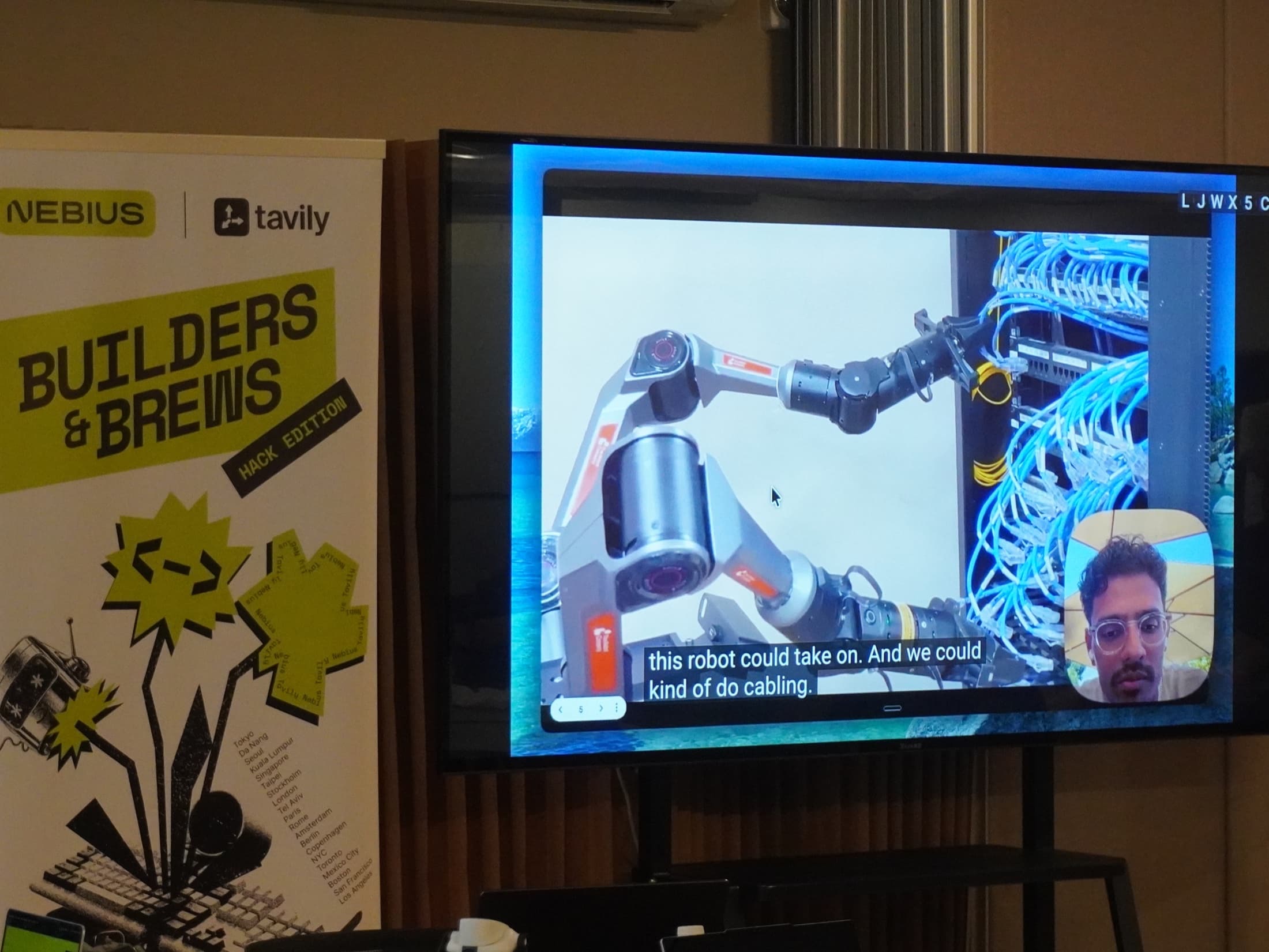
The physical AI discussion started with the infrastructure behind the machines. Nebius gave the room a useful grounding in the compute layer, while The Robot Company showed where the operational opportunity may sit: a control layer that lets an organisation use different robotics platforms without rebuilding the whole system around each one.
That feels especially promising while the unit economics of applied robotics are still being proven at scale. The robot may change. The underlying model may change. The durable layer should keep the task, its constraints, what happened in previous deployments, when a person had to intervene and what evidence showed the work was done.
A similar division is appearing in software agents
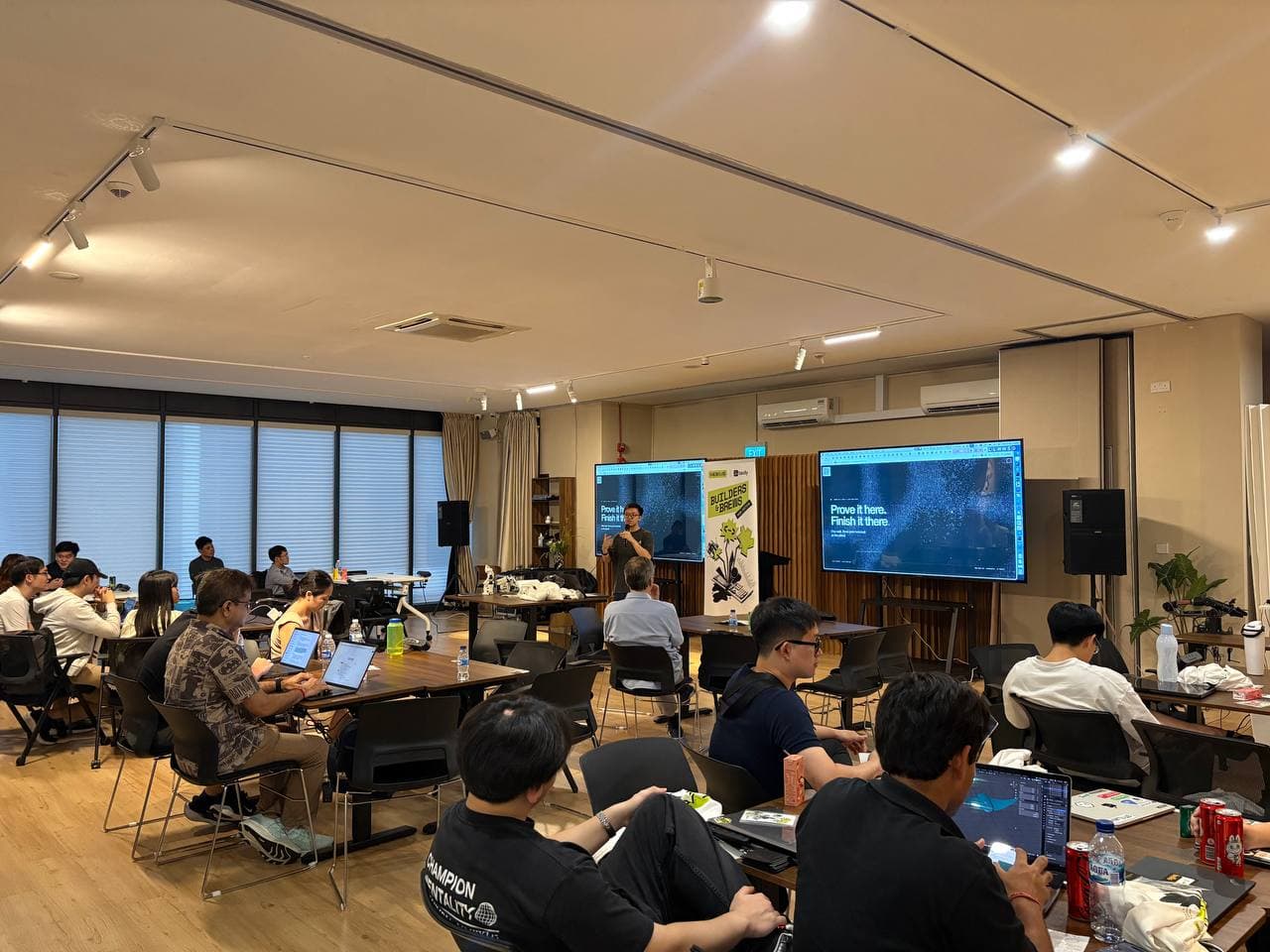
Kairos spoke as a Cognition ambassador about when teams should and should not use Devin. A cloud agent is useful when the work benefits from software engineering at high velocity: it can take a bounded task, work across a real codebase and return something reviewable while the rest of the team keeps moving.
Kairos’s preferred setup pairs a frontier reasoning model with SWE-2 as a cheaper execution model. The reasoning model helps frame the problem and decide what matters. SWE-2 can carry out the implementation at scale. Devin gives that work a cloud environment, a memory of the task and a hand-off point for human review.
In the demo, Kairos reproduced a waitlist bug, investigated it locally and handed the remaining verification to the cloud. The point was not that one model should do everything. The model mattered. The workflow around it mattered more.
Flexibility needs a stable layer of proof
Robots and software agents operate in very different environments, but both are moving toward more interchangeable intelligence and execution. That makes the surrounding system more important: clear intent, explicit constraints, the right context, a record of what happened and checks that let a person decide whether the result is good enough.
The platform will change. The work should not lose its memory every time it does. That was the idea Kairos kept returning to across the day, and the reason the conversation between physical AI and software agents felt useful rather than accidental.